
UFE and Weight: Will Losing or Gaining Weight Affect Your Results?
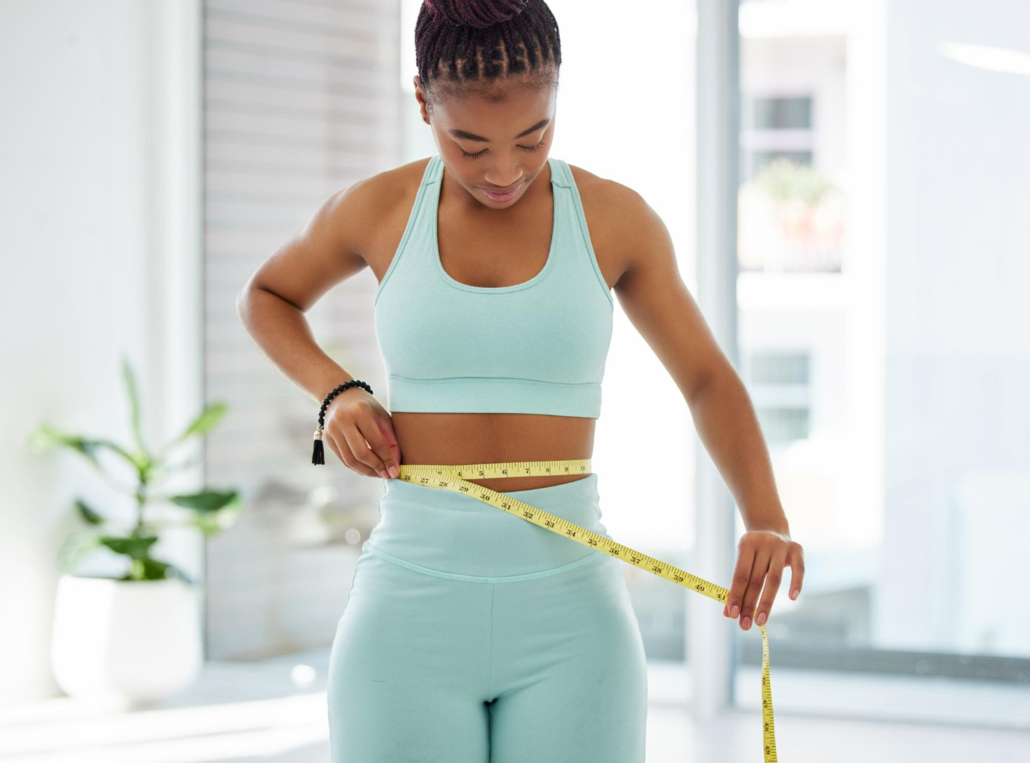
Uterine Fibroid Embolization (UFE) and weight are closely linked, in ways many don’t expect. While UFE isn’t a weight-loss procedure, it can help relieve the symptoms that make weight harder to manage. Large fibroids contribute to a fuller stomach and discomfort, which may lead to decreased activity and changes in eating habits. This frequently leads many to wonder: does weight affect UFE results, and can you lose weight after UFE?
Fibroids themselves can be heavy (some weigh several pounds) so once they’re treated, people can notice they feel lighter and clothes fit differently. Many women ask, will UFE help me lose weight? In truth, any weight loss after fibroid embolization usually stems from reduced bloating, improved energy levels, and the space once taken by fibroids decreasing as they shrink.
UFE and Weight: What to Expect Before and After
Fibroids, Belly Weight, and Everyday Impact
There’s a strong connection between fibroids and belly weight. As fibroids grow, they stretch the abdominal area and may mimic pregnancy. This added bulk paired with pressure in the pelvis can make routine movement uncomfortable. That discomfort largely leads to lowered activity, resulting in weight gain. After the procedure, many do experience weight loss after fibroid embolization—not from fat loss, but from relief of pressure and swelling. When UFE shrinks large fibroids (often up to 75% within a year) patients may notice their stomach appears flatter and clothes fit better. It’s not unusual for fibroids and belly weight to drop gradually, especially if fibroids were sizable before the procedure.
UFE for overweight patients is just as successful as it is for others. Although losing weight before UFE isn’t mandatory, it may make imaging and procedural access easier. It’s reassuring to know the procedure remains effective across a wide range of body types if you’re wondering about obesity and uterine fibroid embolisation. In fact, studies show that UFE success rate by BMI remains high, even for those with a higher BMI.
UFE and BMI: Does It Influence Outcomes?
Concerned about UFE and BMI? You’re not alone. Patients often ask if a high BMI will hurt their chances of success. The answer: not significantly. While losing weight before UFE might ease recovery or make the procedure smoother technically, even patients with higher BMIs see excellent symptom relief.
Questions like does weight affect UFE results or what’s the connection between high BMI and UFE success usually come up during consultation. The good news is, UFE has over an 80% long-term success rate, regardless of body size. Still, being active and maintaining a balanced diet afterward can support long-term results and minimize the risk of body weight and fibroid recurrence.
Navigating Weight Gain After Uterine Fibroid Embolization
Most people don’t gain weight after uterine fibroid embolization, though any minor gains are usually temporary and tied to recovery time. Some report fibroids weight gain after UFE, but it’s often related to unresolved habits rather than the treatment itself. Additionally, there’s no medical evidence linking weight gain after UFE to treatment failure. Also, body weight and fibroid recurrence don’t seem to have a direct connection, and fibroid regrowth is uncommon when all symptomatic fibroids are targeted.
Can You Lose Weight After UFE?
Many people report feeling more energised after UFE, once symptoms like heavy bleeding and fatigue subside. This boost often helps them get moving again, eat better, and sleep more soundly. All these changes can support weight loss after fibroid embolization. Still, it’s vital to remember UFE targets fibroids, not fat. So, lasting results depend more on lifestyle habits after the procedure than the treatment itself.
Some also ask: will UFE help me lose weight directly? While fibroid shrinkage lightens the load—literally—you’re most likely to see added UFE results if you’re active and eat nutritiously. UFE success rate by BMI remains high across body types, and most report better quality of life within weeks.
Short-Term Weight Changes After UFE
Temporary weight gain after uterine fibroid embolization isn’t unusual. It can happen due to water retention or swelling during early recovery. But for most, these shifts are brief and fade as healing continues. Fibroids’ weight gain after UFE is mostly a sign of lingering inflammation, not treatment failure.
So, can you lose weight after UFE? The answer is yes, but it depends on several factors we’ve mentioned above. Shrinking fibroids supports improved wellness. The shift isn’t just physical for many, it’s emotional too. Feeling more comfortable in your body can spark motivation to embrace long-term health habits.
UFE and Weight: Does It Impact Your Results?
If you’re wondering how UFE and weight are connected, you’re not alone. Many people ask, “does weight affect UFE results?” The answer is pretty clear: Uterine Fibroid Embolization works effectively across different body types, including those with a high BMI. This non-surgical procedure focuses on shrinking fibroids—not changing your size—so it’s not designed as a weight-loss solution. However, your weight can have an indirect impact on how the procedure is done and how you feel afterward.
Take Control of Your Health Journey
Your journey towards regaining control over your health and comfort with UFE starts here. While UFE isn’t a weight-loss solution, its benefits can drastically enhance your quality of life, helping you overcome fibroid-related discomforts and unwanted weight implications. Imagine stepping forward with newfound energy and comfort, free from the burdens fibroids might have imposed.
When considering UFE and any concerns regarding weight or BMI, expert guidance is vital. At Minima Radiology, our specialists are committed to personalised care, ensuring your unique health needs are met with precision and understanding. Trust in our expertise to guide you through this transformative process and support your journey of symptom relief and enhanced wellbeing.
Ready to discuss your options? Contact Minima Radiology today to schedule a consultation and take the first step towards a life free from fibroid constraints. Your wellbeing is our priority, and we’re here to help you achieve it.



Leave a Reply
Want to join the discussion?Feel free to contribute!