
UFE for Different Types of Fibroids: Ideal Candidates
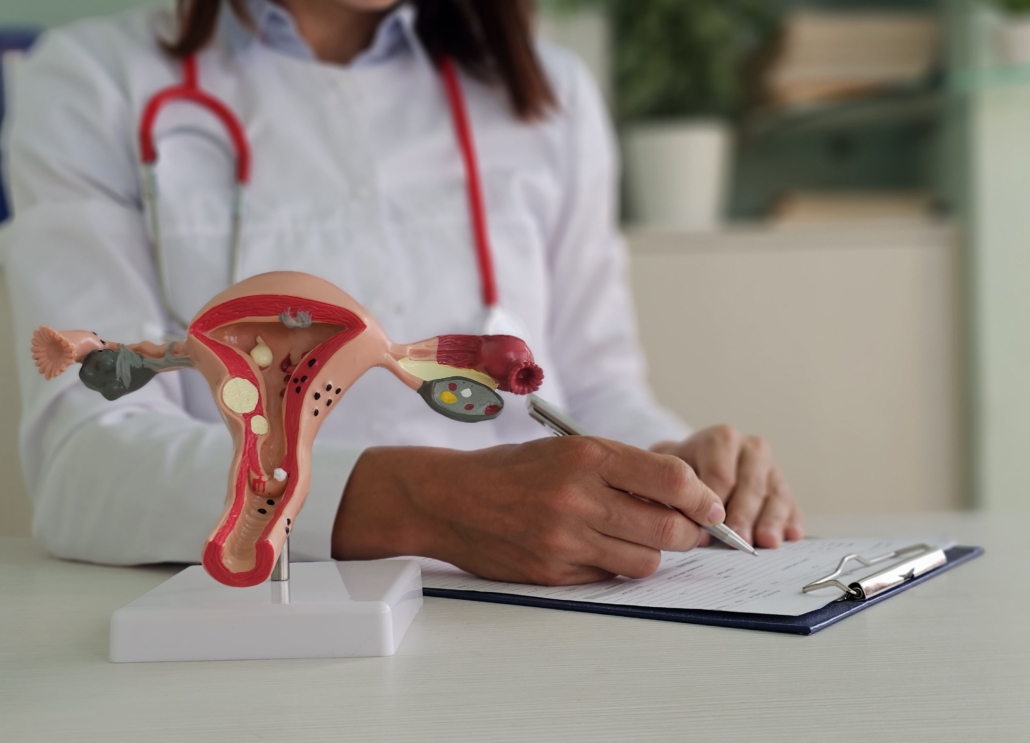
Fibroids are commonly classified into four main types based on where they develop within or around the uterine wall. Because location plays a meaningful role in symptoms and treatment outcomes, it is important to understand how Uterine Fibroid Embolisation (UFE) works for different types of fibroids.
These non-cancerous growths can cause a wide range of symptoms, from heavy or prolonged menstrual bleeding and pelvic pain to pressure symptoms and fertility challenges. For many patients seeking relief without surgery, a key question arises: can all types of fibroids be removed with UFE?
In this article, we explore how UFE fibroid treatment applies to the different fibroid types, who makes an ideal candidate, and what factors such as size, number, and age of fibroids mean for treatment success. This guide is designed to help you make an educated, confident decision as you explore minimally invasive options for long-term fibroid management.
UFE for Different Types of Fibroids: What Works
Fibroids are categorised according to their location in relation to the uterine wall. Each type can present with distinct symptoms and may respond differently to treatment.
Intramural Fibroids
Intramural fibroids grow within the muscular wall of the uterus and are the most common type. They frequently cause heavy menstrual bleeding, pelvic pain, and a feeling of fullness or pressure.
UFE suitability
Intramural fibroids typically respond very well to UFE. UFE for intramural fibroids causes these growths to shrink substantially by blocking the blood supply that feeds the fibroid tissue, which can result in meaningful symptom relief.
Submucosal Fibroids
Submucosal fibroids develop just beneath the uterine lining and may protrude into the uterine cavity. Even when small, they can cause severe bleeding, clotting, and fertility challenges.
UFE suitability
UFE for submucosal fibroids can be effective, particularly when symptoms are bleeding-dominant. However, individual assessment is fundamental, as certain submucosal fibroids may require careful monitoring following treatment.
Subserosal Fibroids
Subserosal fibroids grow on the outer surface of the uterus and can press against nearby organs such as the bladder or bowel, causing urinary frequency, constipation, or pelvic discomfort.
UFE suitability
UFE for subserosal fibroids is generally worthwhile, especially when pressure symptoms are present. These fibroids largely shrink well after embolisation, easing discomfort without the need for surgical removal.
Pedunculated Fibroids
Pedunculated fibroids are attached to the uterus by a stalk and can be either submucosal (inside the uterine cavity) or subserosal (on the outer surface). Because of this narrow connection, their response to UFE can differ from more deeply embedded fibroids.
UFE suitability
While UFE for pedunculated fibroids is possible, treatment suitability and outcomes depend on stalk characteristics and individual anatomy. Early interventional radiology recommendations considered pedunculated subserosal fibroids with a very thin stalk a relative contraindication due to the theoretical risk of stalk necrosis (premature death of the tissue) and fibroid detachment after embolisation, potentially leading to complications such as peritonitis or pain.
More recent evidence suggests that UFE may still be safe and effective when the pedicle (stalk) is of sufficient diameter. For example, studies have shown successful fibroid devascularization and volume reduction without serious complications in cases where stalk diameters were 2 cm or larger.
When UFE may not be ideal:
- Very thin stalks where sufficient embolic penetration is unlikely
- Fibroids that rely on alternative or collateral blood supplies not easily accessible during embolisation
- Cases where the risk of fibroid detachment into the peritoneal or uterine cavity is judged to be high
In these situations, your specialist may recommend alternative management such as surgical removal. A personalised imaging assessment (often with MRI) is key to evaluating stalk width, blood supply patterns, and overall suitability for UFE.
Can All Types of Fibroids Be Removed With UFE?
Uterine artery embolisation for fibroids does not “remove” them in the surgical sense. Instead, it cuts off their blood supply, causing them to shrink and symptoms to improve over time.
While UFE for different types of fibroid can be successful across a wide range of cases, not every fibroid configuration is best for embolisation. Factors such as fibroid location, vascular supply, and individual anatomy influence eligibility and outcomes. This is why expert imaging and consultation for UFE are essential.
Who is an Ideal Candidate for UFE for Fibroids?
You may be a good candidate for UFE treatment for fibroid types if you:
- Experience moderate to severe fibroid symptoms affecting quality of life
- Have multiple fibroids or fibroids in different uterine locations
- Want to avoid major surgery such as hysterectomy or myomectomy
- Prefer a minimally invasive treatment with an easier recovery experience
Patients approaching menopause, as well as those with large or numerous fibroids, can benefit from UFE fibroid treatment when surgery carries higher risks.
How Size, Number, and Age of Fibroids Affect UFE Outcomes
- Size: Larger fibroids can still respond well to UFE, often shrinking drastically over months
- Number: Multiple fibroids can be treated simultaneously during a single UFE procedure
- Age: Older fibroids mostly shrink effectively, especially when hormone activity declines
Overall, UFE for different types of fibroids has a high success rate in minimising symptoms such as heavy bleeding, pelvic pain, and pressure.
Benefits of UFE Fibroid Treatment Compared to Surgical Options
UFE offers several advantages:
- No surgical incisions
- Shorter hospital stay and faster recovery
- Preservation of the uterus
- Lower risk of complications compared to major surgery
These benefits make UFE an appealing alternative to traditional fibroid removal procedures for many patients.
Frequently Asked Questions About UFE and Fibroid Types
Can all types of fibroids be treated with UFE?
UFE can treat most fibroid types, including intramural, submucosal, and subserosal fibroids. Some cases, such as certain pedunculated fibroids, require careful evaluation to confirm suitability.
Is UFE fibroid treatment effective for multiple fibroids?
Yes. One of the advantages of UFE is that it can treat multiple fibroids at the same time by targeting their shared blood supply.
Will fibroids disappear completely after UFE for different types of fibroid?
Fibroids normally shrink rather than disappear. Most patients experience significant symptom relief as fibroids lessen in size over several months.
How long does it take to recover after a UFE procedure?
Recovery is usually quicker than surgical options. Many patients return to normal activities within one to two weeks, depending on individual response.
UFE Fibroid Treatment: Taking the Next Step
Determining whether UFE is right for you starts with a thorough consultation and advanced imaging assessment. An experienced interventional radiology team can evaluate fibroid type, location, and blood supply to recommend the most appropriate treatment plan.
At Minima Radiology, advanced diagnostic imaging and expert-led UFE assessment ensure that your treatment plan is tailored to your specific fibroid type and symptoms. Contact Minima Radiology to take the next step toward effective, uterus-sparing fibroid care.



Leave a Reply
Want to join the discussion?Feel free to contribute!